
Asian Handicap betting, often seen as a more nuanced form of wagering, offers players a unique way to engage with sports betting that emphasizes skill, strategy, and long-term control. Unlike traditional betting, where outcomes are often binary—win, lose, or draw—Asian Handicap introduces a system of goals or points that level the playing field between teams of unequal strength. This structure not only makes matches more exciting but also allows bettors to focus on probability management rather than relying solely on intuition or luck. By engaging with Asian Handicap, players are encouraged to develop a disciplined approach, analyzing variables carefully and considering each wager within a broader strategic context.
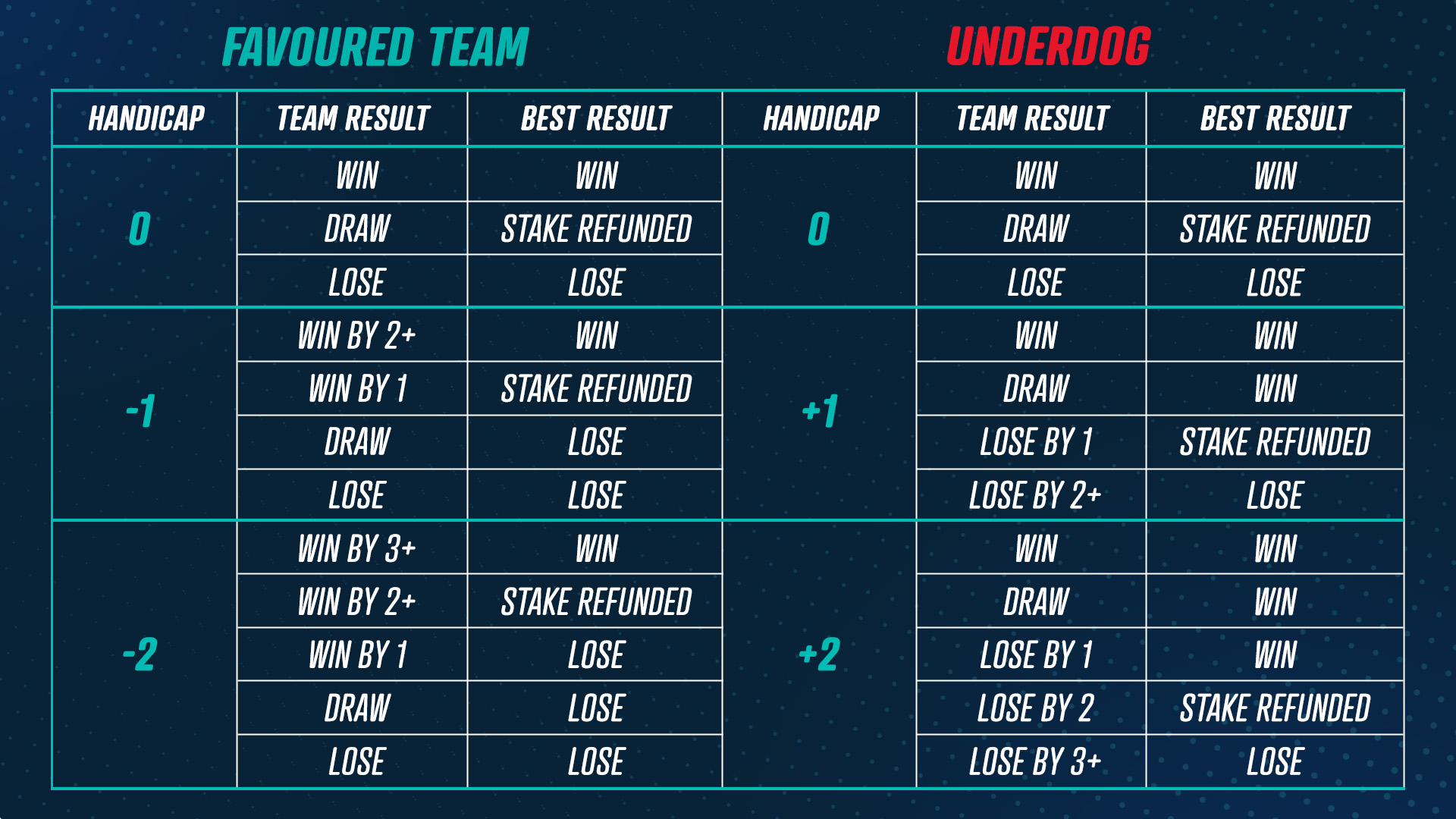
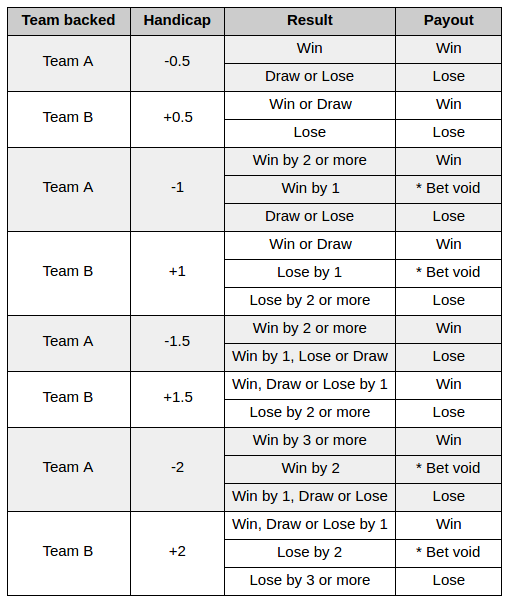
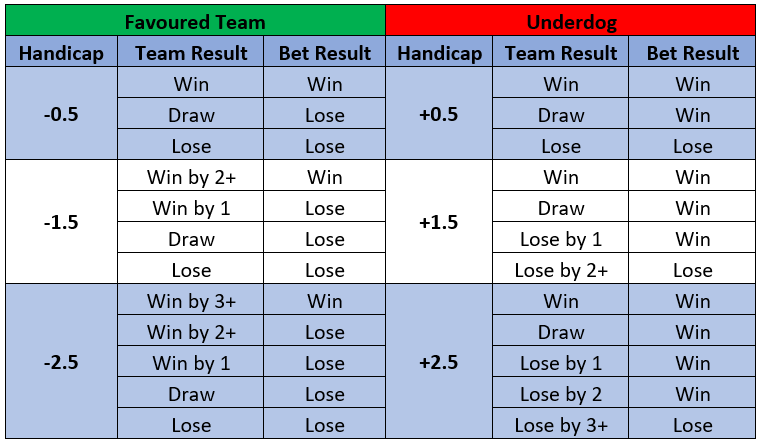
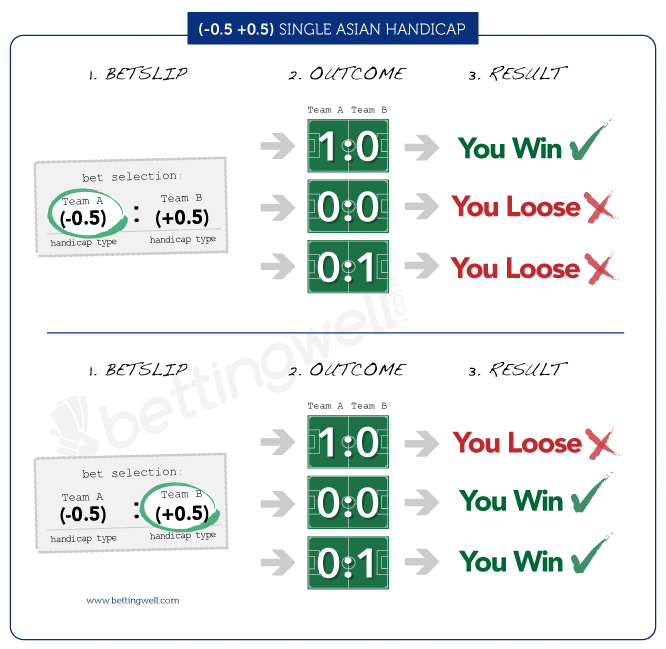
One of the most compelling aspects of Asian Handicap is its ability to reduce the influence of chance. In conventional bets, small differences in team performance or unexpected events can dramatically alter outcomes, often leaving bettors frustrated. Asian Handicap mitigates this by applying a numerical adjustment to the favored team, which essentially equalizes the perceived chances of both sides. For example, if a strong team is given a -1.5 goal handicap, it must win by at least two goals for the bettor backing them to succeed. Conversely, the underdog with a +1.5 goal advantage gains a buffer that protects against narrow losses. This system requires bettors to think more critically about scoring potential, team form, and situational factors, fostering a mindset oriented toward strategic control rather than impulsive decisions.
Moreover, Asian Handicap betting naturally encourages a focus on value rather than volume. Traditional bettors may be tempted to place numerous small wagers without much analysis, hoping for a lucky strike. In contrast, the complexity of Asian Handicap demands that each bet be carefully considered. Players are incentivized to research historical performance, head-to-head matchups, player availability, and even environmental conditions like weather or stadium influence. This analytical approach aligns with principles of responsible gambling, emphasizing quality over quantity and reinforcing a long-term perspective where consistent, measured decision-making is more rewarding than chasing rapid gains.
The mathematical aspect of Asian Handicap also strengthens a bettor’s understanding of probability and risk management. By incorporating fractional goals, such as -0.25 or +0.75, the system can split bets into halves, allowing partial wins or losses. This feature introduces a layer of sophistication, as bettors learn to calculate expected value, potential returns, and risk exposure more precisely. Developing these skills translates to greater self-control, as players become less prone to emotional responses triggered by single-game outcomes. Over time, this methodical engagement builds confidence in making well-informed bets, reducing impulsive reactions and enhancing long-term control over bankroll management.
In addition to analytical benefits, Asian Handicap fosters psychological discipline. Because outcomes are rarely straightforward, bettors must manage expectations and develop patience. A favorite team may perform well but fail to cover a handicap, resulting in a loss even when the team “wins” in conventional terms. Experiencing such nuances teaches players to separate emotional attachment from strategic decision-making. By focusing on objective criteria—statistics, form, and situational context—bettors cultivate a mindset where emotions are balanced with rational assessment. This psychological training reinforces controlled behavior, which is crucial for sustaining long-term betting success and minimizing impulsive choices that often lead to financial loss.
Another dimension of long-term control comes from understanding the importance of bankroll management within Asian Handicap betting. Because this system allows for more precise risk calibration, bettors can allocate funds strategically across multiple wagers, adjusting stake sizes based on perceived value and confidence levels. This approach not only reduces the likelihood of catastrophic losses but also encourages a more thoughtful and measured betting strategy. By viewing betting as a structured activity rather than a series of luck-driven events, players learn to maintain consistency, avoid chasing losses, and sustain engagement over an extended period, which is fundamental for achieving long-term stability and control.
Asian Handicap also provides an avenue for exploring diversification strategies. Skilled bettors often spread their stakes across multiple matches, leagues, or handicap variations, effectively mitigating risk through diversification. This mirrors investment principles, where balancing exposure across assets reduces vulnerability to single-event outcomes. Applying similar logic to betting cultivates patience, foresight, and analytical rigor, reinforcing the notion that controlled, informed decisions over time yield better results than impulsive, high-risk behaviors. Bettors who master this approach are more likely to achieve a steady, sustainable performance, demonstrating the practical value of Asian Handicap in promoting disciplined, strategic engagement.
Furthermore, the system encourages continuous learning and adaptation. Unlike fixed-odds betting, where patterns may be easier to discern, Asian Handicap requires players to constantly update their assessments based on new information, player injuries, tactical adjustments, and evolving team dynamics. This adaptive mindset strengthens cognitive flexibility, analytical thinking, and long-term strategic awareness, all of which are essential components of controlled and responsible betting. By regularly integrating data, observing trends, and adjusting expectations, players refine their decision-making framework, reinforcing habits that support long-term success.
In essence, Asian Handicap serves as more than just a betting format; it is a tool for cultivating disciplined, strategic behavior. By emphasizing probability, value, risk management, and psychological control, it transforms betting from a reactive activity into a structured, analytical practice. Players engaged in this system learn to approach wagers methodically, balance emotion with reason, and manage resources judiciously. Over time, these practices strengthen long-term control, promote consistent performance, and reduce the likelihood of impulsive losses. In a landscape where gambling is often criticized for fostering reckless behavior, Asian Handicap provides a pathway toward more thoughtful, measured, and ultimately sustainable betting.
By integrating analysis, strategy, and discipline, Asian Handicap betting encourages a comprehensive approach where each decision contributes to long-term outcomes. The system rewards those who invest time in research, apply mathematical reasoning, and maintain psychological composure, demonstrating that structured engagement in betting can lead to both enhanced enjoyment and responsible participation. Ultimately, the principles embedded in Asian Handicap betting illustrate that with careful planning, strategic insight, and disciplined execution, bettors can achieve greater control over their activities, ensuring that betting remains a sustainable, measured, and intellectually stimulating endeavor rather than a purely chance-driven pursuit.
Through careful application of these concepts, players not only increase their chances of success in individual bets but also develop skills and habits that enhance overall gambling literacy. Asian Handicap acts as a framework for learning, practicing, and refining decision-making skills, fostering patience, analytical thinking, and responsible risk management. In this way, it transforms the betting experience into a long-term exercise in strategic control, aligning short-term excitement with sustained, rational engagement that promotes both enjoyment and self-regulation.
Engaging consistently with Asian Handicap, therefore, strengthens not only betting outcomes but also personal discipline, risk assessment capabilities, and strategic planning skills. This structured approach ensures that participants remain in command of their decisions, promoting a culture of informed, controlled, and sustainable wagering. Over time, these lessons extend beyond the betting arena, contributing to broader skills in decision-making, probability assessment, and resource management, illustrating the multifaceted benefits of disciplined engagement with this nuanced form of sports betting.
Asian Handicap ultimately exemplifies how a well-designed betting system can promote responsible behavior, long-term planning, and strategic mastery. By embracing its principles, bettors learn to navigate uncertainty with analytical precision, balance risk with reward, and maintain emotional equilibrium. This combination of mathematical insight, psychological discipline, and strategic foresight creates a robust foundation for long-term control, making Asian Handicap not just a betting choice but a practical framework for cultivating sustainable and intelligent engagement with sports wagering.




Leave a Reply