
Asian Handicap betting is a form of wagering that has grown significantly in popularity among sports bettors, particularly in football. Unlike traditional fixed-odds betting, Asian Handicap eliminates the possibility of a draw by giving one team a virtual advantage or disadvantage in the form of a handicap. This adjustment levels the playing field, allowing bettors to focus more on nuanced differences between teams rather than relying solely on who wins outright. Understanding Asian Handicap requires an appreciation of both statistical analysis and game dynamics, which in turn improves a bettor’s line awareness and decision-making.
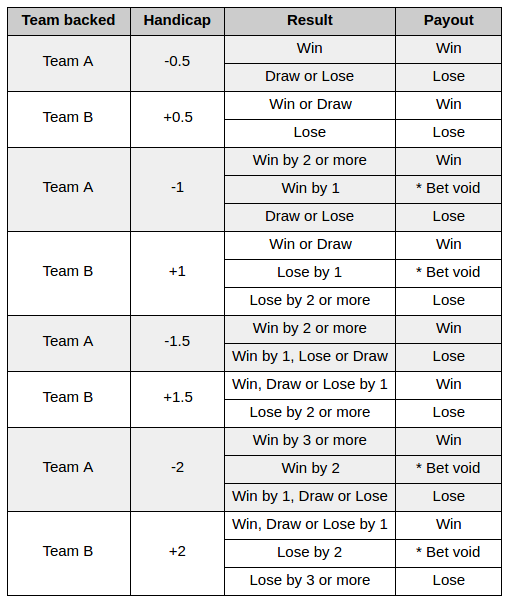
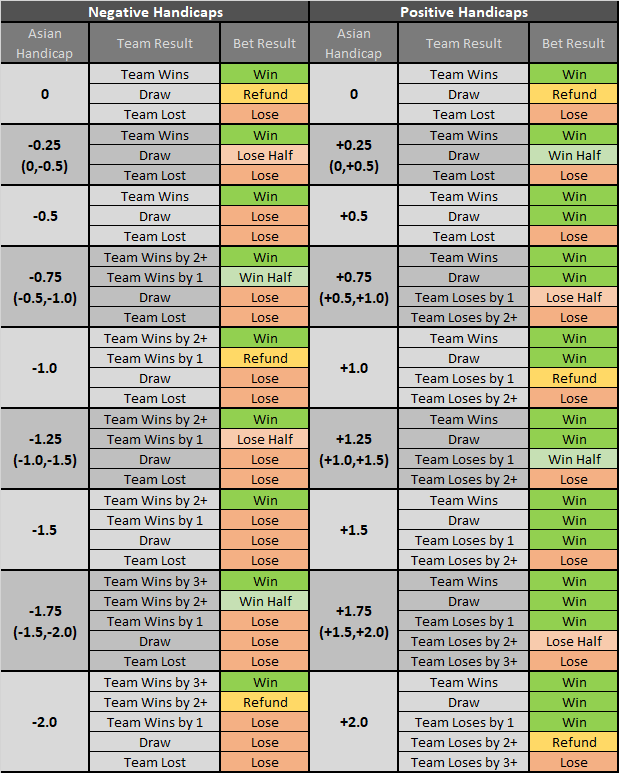
At its core, Asian Handicap betting involves assigning a numerical advantage or disadvantage to one team. For example, a stronger team might start with a -1 goal handicap, meaning they must win by more than one goal for a bet on them to succeed. Conversely, a weaker team could start with a +1 goal advantage, giving them a cushion that can turn a narrow loss into a winning bet. These handicaps can be whole numbers, half numbers, or even quarter numbers, each affecting the payout and risk differently. Half-number handicaps eliminate draws entirely, while quarter-number handicaps split stakes, offering partial wins or losses depending on the exact match outcome. Grasping these distinctions helps bettors anticipate potential results more effectively and refine their overall betting strategy.
Line awareness in betting refers to the ability to read, interpret, and respond to the various odds and handicaps presented across different sportsbooks. Asian Handicap betting sharpens this skill because it requires a deep understanding of not just the team’s probability of winning, but also the margin by which they might win or lose. Bettors must consider a wide range of factors, including team form, player injuries, head-to-head history, and tactical approaches. For example, a team known for defensive solidity but limited attacking potential may be better suited to a handicap line that allows them a virtual goal advantage, whereas a team with strong offensive capabilities might favor a negative handicap. By evaluating these subtleties, bettors develop a keener sense of value in the lines they encounter.
Another significant aspect of Asian Handicap betting is the emphasis on probability rather than outcome alone. Because the handicap adjusts the match scenario, bettors must estimate the likelihood of various outcomes within a narrower range of possible results. This probabilistic thinking encourages a more analytical approach, as punters must assess expected goals, average margins, and historical performance trends. Over time, this analysis not only enhances one’s ability to spot favorable handicaps but also improves line awareness across other betting formats, including totals, over/unders, and conventional moneyline bets. The skills learned from Asian Handicap betting are therefore highly transferable.
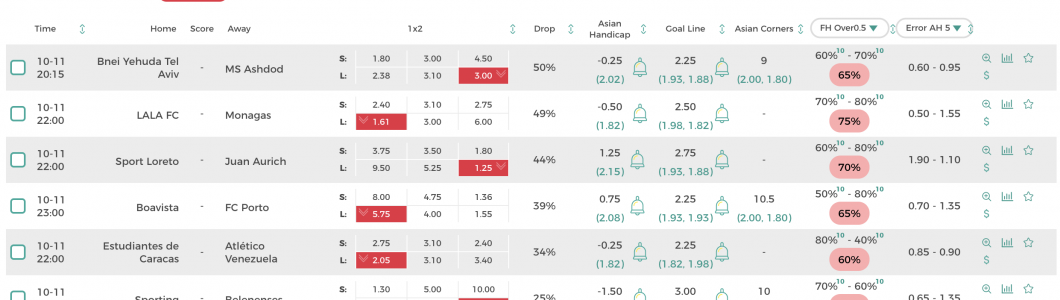
Asian Handicap also introduces an element of risk management that further enhances line awareness. Because the betting market presents multiple handicaps for a single match, bettors can select the line that balances risk and reward according to their confidence level. A conservative bettor might choose a smaller handicap to reduce potential loss, while a more aggressive bettor may opt for a larger handicap with higher potential payout. This requires careful attention to line movement, as odds can shift in response to team news, betting volume, or market sentiment. Following these shifts cultivates an instinct for timing and value assessment, reinforcing a bettor’s ability to interpret lines quickly and effectively.
Additionally, understanding Asian Handicap fosters psychological discipline. The split stakes and partial wins associated with quarter handicaps teach bettors to remain patient and objective, rather than chasing immediate gratification. This mental discipline is crucial for maintaining consistency over the long term, as it encourages rational decision-making based on data rather than emotion. The complexity of handicaps and their implications forces bettors to think ahead, anticipate multiple scenarios, and adjust their strategy dynamically. This forward-thinking approach naturally translates into enhanced line awareness, as bettors become more attuned to subtle shifts in odds and match circumstances.
Asian Handicap betting also encourages a holistic understanding of team performance. Instead of focusing solely on which team will win, bettors must analyze scoring patterns, defensive vulnerabilities, and game tempo. For example, a team that often wins narrowly may be poorly suited for a large negative handicap, while a high-scoring underdog might provide value on a positive handicap line. This analytical approach compels bettors to consider broader performance metrics, enriching their insight into match dynamics. Over time, these insights improve line awareness by helping bettors distinguish between superficial odds and those that reflect genuine value.
Moreover, the popularity of Asian Handicap has influenced how bookmakers set and adjust lines. Because this format attracts sharp bettors who exploit inefficiencies, sportsbooks must carefully calibrate handicaps to balance their books. Observing how lines are set and how they move in response to market pressures provides bettors with invaluable information about perceived risk, team strength, and betting patterns. Those who understand these dynamics can spot discrepancies between the market’s expectations and actual probabilities, allowing them to make more informed decisions. In essence, Asian Handicap betting serves as both a learning tool and a practical application for developing a heightened sense of line awareness.
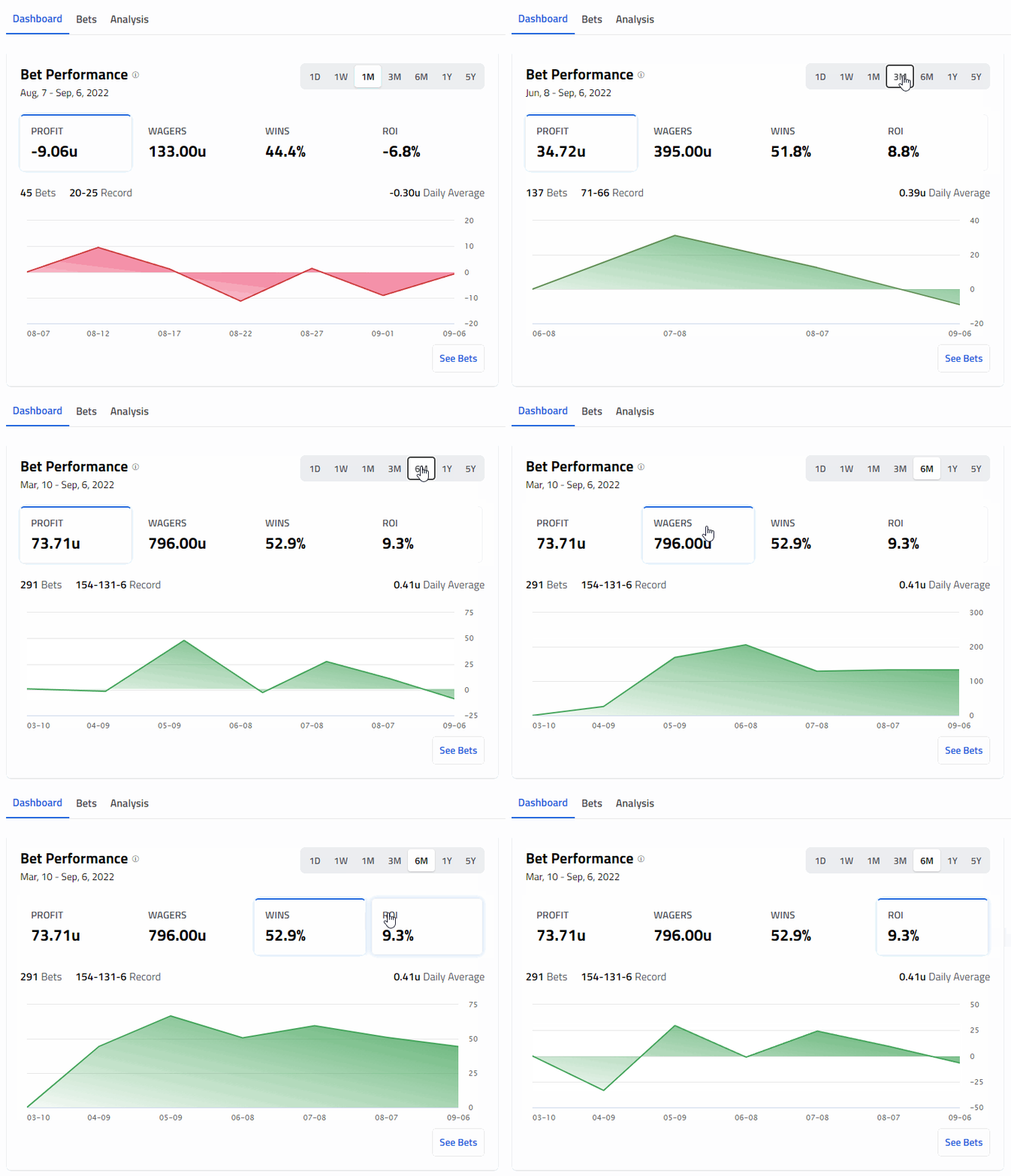
In practice, bettors can improve their proficiency with Asian Handicap by combining statistical analysis with qualitative insights. Reviewing past matches, considering current team conditions, and monitoring line movements across multiple sportsbooks are all effective strategies. Additionally, tracking performance against the spread can reveal patterns that are not immediately apparent from final scores alone. By consistently applying this analytical framework, bettors gradually develop an intuitive understanding of how different lines correspond to likely match outcomes. This intuition translates directly into improved line awareness, enabling quicker and more confident betting decisions.
Asian Handicap betting, therefore, is not merely a niche form of wagering but a comprehensive tool for developing deeper betting acumen. By emphasizing probability, scenario analysis, and risk management, it cultivates a level of line awareness that extends beyond any single match or bet type. Bettors learn to read market signals, interpret odds intelligently, and make informed decisions under uncertainty. In the long run, this enhanced awareness promotes more strategic, disciplined, and successful betting behavior, demonstrating that mastering Asian Handicap betting is as much about cognitive skill development as it is about winning individual wagers. The structured complexity of this betting format encourages analytical thinking, fosters psychological discipline, and ultimately improves a bettor’s ability to perceive and act upon value within any betting market.
Asian Handicap betting challenges individuals to think beyond simple outcomes, encouraging a focus on margins, probabilities, and performance nuances. This focus develops a sophisticated understanding of match dynamics and betting lines, strengthening a bettor’s overall decision-making framework. As bettors become more skilled in assessing handicaps, they not only enhance their chances of identifying profitable opportunities but also cultivate a more nuanced and disciplined approach to all forms of sports betting. In this way, the practice of understanding Asian Handicap fundamentally improves line awareness, making it an essential component of any serious bettor’s toolkit.
The continuous engagement with Asian Handicap markets reinforces analytical skills, strategic thinking, and psychological resilience. Each bet requires consideration of multiple factors and potential outcomes, compelling bettors to maintain vigilance and critical judgment. Over time, these habits translate into a sharper perception of value, better timing for wagers, and a more refined ability to read and respond to changing market conditions. The cumulative effect is a bettor who is not only more informed but also more adaptable, capable of making intelligent decisions under complex circumstances. Through this process, Asian Handicap betting serves as both a practical and educational framework for cultivating advanced line awareness and strategic acumen in sports wagering.
Ultimately, Asian Handicap betting exemplifies how complexity can enhance skill. By requiring attention to detail, probabilistic thinking, and scenario planning, it improves line awareness and encourages disciplined, thoughtful wagering. Bettors who engage deeply with this format develop a heightened sensitivity to odds, match dynamics, and market psychology, translating these insights into more informed, confident, and consistent betting decisions across a wide range of sports and betting markets.
Asian Handicap betting is, therefore, more than a way to wager—it is a structured approach that nurtures analytical precision, risk management, and strategic thinking, all of which contribute to superior line awareness and long-term success in sports betting. By consistently practicing and analyzing outcomes within this framework, bettors can refine their understanding of probability, match dynamics, and market behavior, leading to better-informed decisions and a more disciplined approach to wagering. In this sense, mastering Asian Handicap is both a practical and intellectual exercise that strengthens a bettor’s overall line awareness and strategic insight.
Through sustained engagement with Asian Handicap markets, bettors gradually internalize patterns, develop intuition for market movements, and learn to identify value in seemingly complex situations. This cultivated awareness enables them to react quickly to odds changes, make calculated decisions, and anticipate outcomes with greater accuracy. By bridging statistical analysis with psychological discipline, Asian Handicap betting fosters a comprehensive skill set that enhances line awareness and overall betting competency, reinforcing the principle that understanding complexity is key to achieving consistent success in sports wagering.





Leave a Reply